Schedule a FREE complete system evaluation | Call us: 727-621-0335

Schedule a FREE complete system evaluation | Call us: 727-621-0335

The Langelier Saturation Index (LSI) is the industry standard for determining whether your pool water is properly balanced. Instead of looking at pH, alkalinity, or calcium individually, LSI evaluates how all of your water chemistry works together.
A pool can have "normal" chemical readings and still be corrosive or scale-forming. LSI reveals the overall health of your water and helps prevent long-term damage to your pool and equipment.
At Cartridge Family Pools, every residential and commercial pool is balanced using LSI—not guesswork.

Proper LSI balancing protects nearly every part of your pool.
Balanced water helps:
Crystal-clear water doesn't always mean healthy water. LSI ensures your pool is balanced—not just clear.

LSI is calculated using multiple water chemistry factors, including:
Because all of these factors work together, adjusting one chemical can affect the balance of the entire pool. That's why professional testing and evaluation are so important.
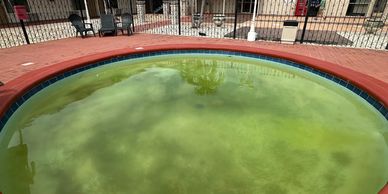
Water that is too aggressive can:
Water that is too scale-forming can cause:
Maintaining a balanced LSI helps prevent both costly problems.
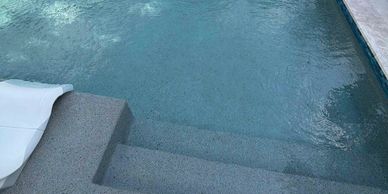
Many pool companies only adjust chlorine and pH. While those readings are important, they don't tell the whole story.
At Cartridge Family Pools, we use professional Taylor water testing and evaluate your pool using the Langelier Saturation Index to make precise chemical adjustments based on your entire water profile—not just individual test results.
This proactive approach helps protect your pool surface, maximize equipment life, and maintain healthier water year-round.

A balanced pool is typically maintained between -0.30 and +0.30, with a target as close to 0.00 as practical.
Yes. Proper LSI helps reduce calcium buildup inside the salt cell, improving chlorine production and extending cell life.
Absolutely. Clear water can still be corrosive or scale-forming, which is why LSI is so important.
No. While plaster benefits greatly from balanced water, LSI also protects heaters, pumps, filters, plumbing, salt systems, and other equipment in vinyl, fiberglass, and concrete pools.
LSI should be evaluated whenever complete water testing is performed, especially during seasonal changes, after heavy rain, or when making significant chemical adjustments. We test it weekly at all of our pools!